The global rollout of 5G networks represents one of the most significant technological shifts of our generation, promising unprecedented speed, connectivity, and the foundation for a fully realized Internet of Things. However, this massive infrastructure expansion comes with a substantial energy cost, raising critical questions about its environmental impact. As data traffic is projected to grow exponentially, the telecommunications industry faces a pressing challenge: how to deliver these advanced services while simultaneously reducing its carbon footprint and operating expenses. The pursuit of a greener 5G network is no longer a niche concern but a central pillar of corporate strategy and environmental responsibility.
The core of the energy efficiency challenge lies in the network's architecture. Traditional base stations are notoriously power-hungry, operating at near-full capacity even during periods of low traffic. This constant energy drain is economically and environmentally unsustainable. The transition to 5G introduces a more complex, dense network of small cells and macro cells, which, if managed poorly, could drastically increase overall energy consumption. Consequently, the industry's focus has shifted from simply building out networks to innovating ways to make them intelligently efficient.
Hardware innovation is the first frontier in this green revolution. Manufacturers are pioneering new generations of base station hardware designed from the ground up for efficiency. These include highly integrated antennas with massive MIMO (Multiple Input, Multiple Output) technology, which direct radio frequency energy precisely toward user devices rather than broadcasting it indiscriminately. This beamforming capability not only enhances signal strength and capacity but also reduces the power required to achieve coverage. Furthermore, the shift to more efficient power amplifiers and the use of new materials and cooling systems are contributing to significant reductions in the energy consumed by the physical infrastructure itself.
While advanced hardware provides the foundation, intelligent software is the true key to unlocking deep energy savings. Modern network management systems can now leverage artificial intelligence and machine learning to dynamically optimize power usage in real-time. These AI-driven platforms analyze vast amounts of data on network traffic, predicting periods of low demand—such as the middle of the night in a residential area. During these lulls, the software can automatically power down certain components, put cells into a deep sleep mode, or even shift traffic to a more efficient neighboring cell, all without the end-user noticing any degradation in service. This move from a always-on network to an intelligently-on network represents a paradigm shift in operational efficiency.
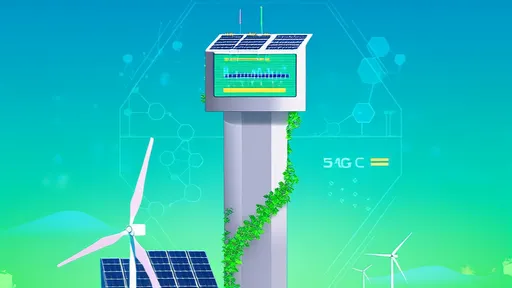
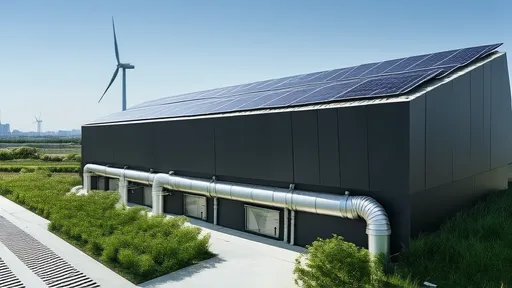
Another powerful strategy involves the integration of renewable energy sources directly into the network infrastructure. Telecom operators are increasingly deploying solar panels, wind turbines, and advanced battery storage systems at base station sites, particularly in remote or off-grid locations. This not only reduces reliance on diesel generators and the traditional power grid, which may be fueled by coal or gas, but also enhances the network's resilience to power outages. The development of more efficient power conversion and management systems ensures that every watt of green energy generated is used optimally, further pushing the network toward carbon neutrality.
The principle of network sharing is also gaining considerable traction as a means to improve sustainability. Instead of multiple operators deploying their own duplicate sets of equipment in the same location, they can share physical infrastructure like towers, power systems, and even certain spectrum resources. This collaboration drastically reduces the total number of active components required to serve a given area, leading to a direct and substantial cut in collective energy use. Such agreements not only make environmental sense but also offer compelling economic benefits by lowering capital and operational expenditures for all parties involved.
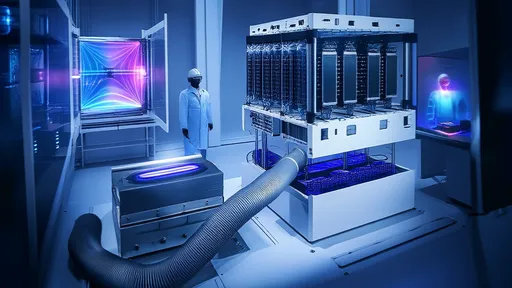
Looking beyond the radio access network, data centers and the core network present additional opportunities for optimization. The virtualized nature of 5G core networks, often built on cloud-native principles, allows for resources to be allocated and scaled elastically based on demand. Energy-aware workload scheduling can consolidate processing tasks onto fewer servers during quiet periods, allowing entire server racks to be powered down. Advances in liquid cooling and the use of free cooling in geographically advantageous locations further reduce the massive energy burden associated with keeping these critical facilities running.
In conclusion, creating a greener 5G network is not a single technological silver bullet but a comprehensive orchestration of multiple strategies. It requires a holistic approach that combines energy-efficient hardware, AI-powered software intelligence, renewable energy integration, and new collaborative business models. The journey toward a sustainable digital future is ongoing, but the progress made in greening 5G networks demonstrates a strong commitment from the industry. By continuing to prioritize energy efficiency as a key performance indicator, the telecommunications sector can ensure that the benefits of a hyper-connected world are delivered in a way that is both technologically brilliant and environmentally responsible for generations to come.
By /Aug 26, 2025

By /Aug 26, 2025

By /Aug 26, 2025

By /Aug 26, 2025

By /Aug 26, 2025
By /Aug 26, 2025

By /Aug 26, 2025
By /Aug 26, 2025

By /Aug 26, 2025

By /Aug 26, 2025

By /Aug 26, 2025
By /Aug 26, 2025

By /Aug 26, 2025

By /Aug 26, 2025

By /Aug 26, 2025

By /Aug 26, 2025

By /Aug 26, 2025
By /Aug 26, 2025

By /Aug 26, 2025

By /Aug 26, 2025